
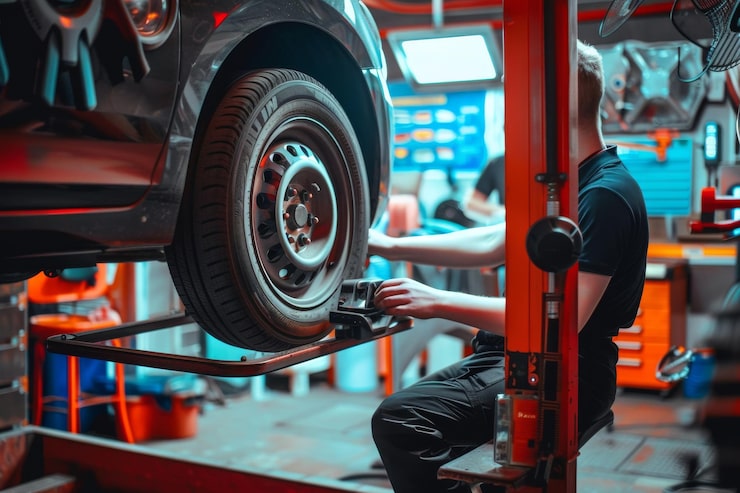
Driving conditions play a major role in the overall health of your vehicle. While routine maintenance helps keep your car running smoothly, many drivers overlook the impact that local roads can have on wheel alignment and tire wear. In Kentucky, changing weather, potholes, construction zones, and uneven pavement can gradually affect your vehicle’s handling and tire performance.
Understanding how road conditions contribute to alignment problems can help drivers recognize issues early and avoid unnecessary repair costs. For many vehicle owners, regular Wheel Alignment Lexington KY services are an important part of protecting both their tires and suspension system.
Why Road Conditions Matter for Wheel Alignment
Wheel alignment refers to the adjustment of the angles of your vehicle’s wheels according to manufacturer specifications. Proper alignment ensures that tires make even contact with the road and allows the vehicle to handle safely and efficiently.
When a vehicle repeatedly encounters rough road conditions, suspension components can shift slightly out of position. Even small changes in alignment can affect steering performance and accelerate tire wear. Since alignment problems often develop gradually, many drivers may not notice the issue until visible symptoms appear.
Common Kentucky Road Hazards That Cause Misalignment
Kentucky drivers frequently encounter road conditions that can impact wheel alignment.
Potholes are among the biggest culprits. When a vehicle hits a deep pothole, the sudden impact can disrupt wheel angles and place stress on suspension components. Similarly, uneven pavement and road construction zones create repeated jolts that may contribute to alignment issues over time.
Another common cause is curb impact. Accidentally hitting a curb while parking or turning can affect wheel positioning, especially if the impact occurs at higher speeds. Although the damage may not be immediately visible, alignment problems can develop afterward.
The Connection Between Misalignment and Tire Wear
One of the first signs of wheel alignment problems is uneven tire wear. When wheels are not properly aligned, certain areas of the tire tread experience more pressure than others.
This uneven contact with the road can cause tires to wear prematurely on the inner or outer edges. In some cases, drivers may notice feathering, where the tread develops an uneven pattern across the surface.
Premature tire wear not only reduces the lifespan of the tires but can also affect traction and overall driving safety. Replacing tires earlier than necessary can become an expensive consequence of ignoring alignment issues.
Signs Your Alignment May Be Affected
Because road-related alignment problems develop gradually, it is important to recognize the warning signs.
Some of the most common symptoms include:
- Vehicle pulling to one side
- Crooked steering wheel when driving straight
- Uneven tire wear
- Steering wheel vibration
- Reduced fuel efficiency
- Difficulty maintaining a straight path
If any of these symptoms appear, a professional alignment inspection can help determine whether adjustments are needed.
Benefits of Regular Alignment Checks
Routine alignment inspections offer several advantages for drivers who frequently travel on Kentucky roads.
Proper wheel alignment helps improve steering control and vehicle stability. It also promotes even tire wear, allowing tires to last longer and perform more effectively. In addition, aligned wheels reduce rolling resistance, which can contribute to better fuel efficiency.
Regular alignment service can also help prevent unnecessary strain on suspension and steering components, reducing the likelihood of costly repairs in the future.
Protecting Your Vehicle on Local Roads
While it is impossible to avoid every pothole or rough road surface, drivers can take steps to minimize alignment-related problems.
Driving carefully through construction zones, avoiding potholes when possible, maintaining proper tire pressure, and scheduling routine inspections can all help protect your vehicle. Addressing minor steering or tire wear issues early often prevents larger problems from developing later.
Consistent maintenance is especially important for drivers who regularly travel on roads that experience heavy traffic, weather-related damage, or ongoing construction.
Conclusion
Kentucky road conditions can significantly influence wheel alignment and tire wear. Potholes, uneven pavement, curb impacts, and construction zones all place stress on a vehicle’s suspension system and can gradually lead to alignment problems. When left unaddressed, these issues may result in uneven tire wear, reduced fuel efficiency, and diminished driving performance.
Scheduling regular Wheel Alignment Lexington KY services can help keep your vehicle operating safely and efficiently. By paying attention to road-related warning signs and maintaining proper alignment, drivers can extend tire life, improve handling, and reduce long-term maintenance costs.
