
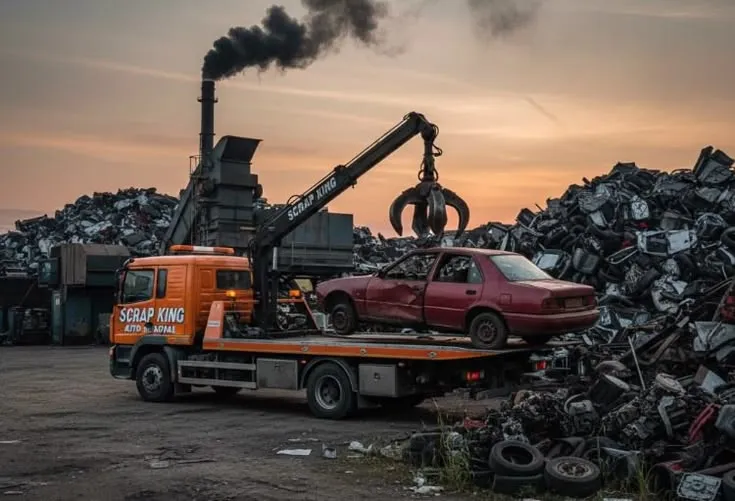
An unwanted vehicle can occupy valuable space in a driveway, garage, or parking area for months. Sometimes the car has stopped running, while in other cases the owner simply no longer needs it. Although disposing of an old vehicle might appear straightforward, overlooking small details can create unnecessary problems. Arranging Scrap Car Removal is only one part of the process. Owners should also prepare documents, remove personal belongings, understand payment conditions, and make sure the vehicle can be collected safely.
Begin by Confirming Vehicle Ownership
Before contacting a collection provider, owners should locate the documents establishing their right to dispose of the vehicle. The exact requirements depend on local regulations and the circumstances surrounding ownership.
A registration certificate, title, or other accepted proof may be necessary. Vehicles belonging to deceased relatives, businesses, or individuals with outstanding finance agreements can require additional documentation.
If paperwork is missing, contacting the relevant registration authority before arranging collection may prevent delays or disputes.
Remove Personal Belongings Carefully
Cars often become temporary storage spaces for items that owners forget about. Sunglasses, tools, receipts, spare keys, and small electronic accessories can remain hidden in storage compartments.
A thorough inspection should include the glove compartment, center console, seat pockets, door storage, trunk, and areas beneath the seats.
Owners should also check removable accessories and personal documents. Collecting these belongings before the vehicle is loaded is much easier than trying to recover them afterward.
Check Connected Devices and Stored Information
Modern vehicles may store personal information through navigation systems, entertainment equipment, and connected mobile applications.
Saved home addresses, paired phones, contact details, and account information should be removed when possible. A factory reset may help, although the appropriate procedure depends on the vehicle’s equipment.
Any removable storage devices or aftermarket electronics should also be checked. Protecting personal information is an important part of responsible vehicle disposal.
Understand How the Collection Will Work
Not every unwanted vehicle can be collected using the same equipment. A car that rolls freely may require a different approach from one with locked wheels, damaged suspension, or inaccessible steering.
Owners should explain the vehicle’s mechanical condition before collection is scheduled. They should mention whether it starts, whether the tires are inflated, and whether the brakes or steering are operational.
Accurate details allow the provider to determine whether suitable towing or recovery equipment is available.
Preparing the Collection Area
Limited access can complicate removal, particularly when the vehicle is parked inside a crowded garage, behind another car, or on uneven ground.
Owners should discuss these conditions with the collection company rather than attempting unsafe movements themselves.
Helpful preparation steps include:
- Confirming the vehicle’s exact location.
- Removing loose objects from the surrounding area.
- Ensuring reasonable access for collection equipment.
- Explaining any mechanical limitations.
- Keeping required paperwork available.
- Confirming the agreed collection arrangements.
These measures can reduce avoidable delays and help the process proceed safely.
Confirm the Financial Arrangements
An initial quote should clearly explain how the vehicle’s condition influences its value. Offers may depend on factors such as weight, completeness, reusable parts, and current demand for recyclable materials.
Owners should ask whether towing fees, administrative charges, or other deductions apply. They should also confirm when and how payment will be made, subject to local law.
Written confirmation of important terms can prevent misunderstandings when the collection team arrives.
Understand What Happens After Collection
Once a vehicle leaves the property, the owner’s responsibilities may not be completely finished. Registration authorities or insurers may require notification that the vehicle has been sold, transferred, dismantled, or otherwise disposed of.
Rules differ across jurisdictions, so owners should verify the correct procedures rather than assuming collection automatically completes the administrative process.
Retaining receipts and transfer documents can help establish when possession and responsibility changed.
Think About Environmental Handling
An unwanted vehicle contains materials that should not simply be abandoned or disposed of with ordinary waste. Batteries, oils, coolant, fuel, and certain other components require appropriate handling.
Responsible recyclers can separate materials for reuse, recovery, or disposal through suitable processes.
Asking how the vehicle will be handled helps owners make a more informed choice and reduces the likelihood of contributing to improper waste management.
Conclusion
Preparing an unwanted vehicle for collection involves more than arranging a pickup appointment. Ownership documents, personal belongings, collection access, financial terms, and registration responsibilities all deserve attention. Addressing these details beforehand can make the experience more organized and reduce the risk of later complications. Scrap Car Removal is a service option that vehicle owners can assess when planning disposal. A responsible transaction should leave the owner with clear documentation, an understanding of the agreed terms, and confidence that the vehicle has been transferred appropriately.
