
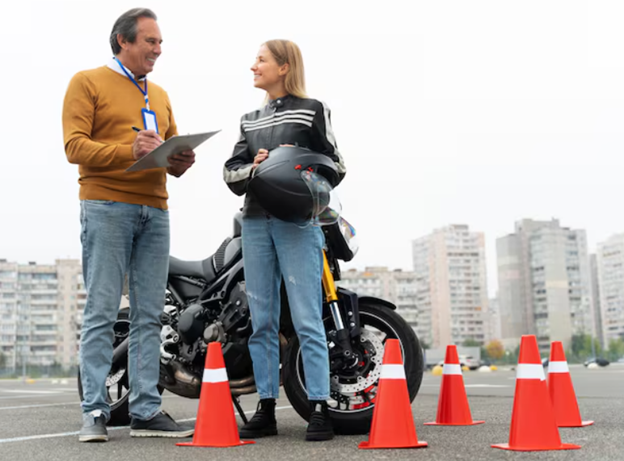
If you are planning to ride a motorbike legally and confidently, getting a Motorcycle License Bristol is the first step toward enjoying the freedom of the road. Whether you want to commute more efficiently, explore scenic routes, or simply enjoy riding as a hobby, understanding the licensing process is essential. However, earning a motorcycle licence is not just about passing a test; it is about gaining the skills, awareness, and confidence needed to ride safely in real traffic conditions.
For beginners, the process may feel overwhelming at first. From choosing the right training course to understanding licence categories and practical tests, there are several stages involved. Fortunately, with the right preparation and professional guidance, obtaining your licence can become much simpler and less stressful.
Understanding the Motorcycle Licensing Process
Before you can legally ride most motorcycles in the UK, you need to complete the required training and testing process. The exact route depends on factors such as your age, experience level, and the type of motorcycle you plan to ride.
Most new riders begin with Compulsory Basic Training (CBT). This introductory course is designed to teach essential riding skills, road safety awareness, and basic motorcycle handling. Completing CBT allows riders to gain practical experience before moving on to more advanced licence categories.
After CBT, riders may progress through theory tests and practical riding assessments. These evaluations are designed to ensure you understand road signs, hazard perception, and safe riding practices. Practical exams typically assess your ability to control the bike, perform manoeuvres, and ride safely in real traffic situations.
Understanding each stage in advance helps reduce anxiety and allows you to prepare more effectively.
Why Professional Training Matters
Many first-time riders underestimate the importance of proper training. Riding a motorcycle requires a unique set of skills compared to driving a car. Balance, coordination, hazard awareness, and road positioning all play a significant role in rider safety.
This is where professional Motorcycle Training Bristol becomes valuable. Structured training helps riders build confidence gradually while learning from experienced instructors. Instead of relying on guesswork or developing bad habits, learners receive clear guidance tailored to their skill level.
Professional training also increases your chances of passing the licence tests successfully. Instructors understand what examiners look for and can help correct mistakes before test day arrives. More importantly, quality training prepares riders for real-world situations, making them safer and more responsible on the road.
Choosing the Right Motorcycle Training School
Selecting the right training provider is one of the most important decisions for aspiring riders. Not all schools offer the same level of instruction, support, or flexibility.
When researching training schools, consider the following factors:
Experienced Instructors
Qualified instructors with strong teaching experience can make a major difference in how quickly you progress. They can identify weaknesses, explain techniques clearly, and help build confidence.
Flexible Training Options
Look for training providers that offer courses suited to different schedules and experience levels. Flexible lesson times can make learning easier for busy professionals or students.
Positive Reviews and Reputation
Reviews from previous students can provide valuable insights into training quality, customer service, and pass rates. A trusted training centre often has a strong local reputation.
Well-Maintained Equipment
Safe and properly maintained motorcycles are essential for effective training. Learning on reliable bikes creates a better experience and reduces unnecessary stress.
Common Challenges for Beginner Riders
Many beginners feel nervous before starting motorcycle training, which is completely normal. One of the most common concerns is balancing and controlling the motorcycle at low speeds. Others worry about navigating traffic or remembering road rules.
The good news is that proper instruction addresses these challenges step by step. Most riders improve quickly once they become comfortable handling the bike. Confidence grows naturally with practice and expert support.
Another challenge is understanding which licence category is right for you. Motorcycle licences vary depending on age and bike engine size. Speaking with an experienced instructor can help you choose the most suitable training path based on your riding goals.
Safety Should Always Come First
Passing a test should not be the only goal when learning to ride. Safe riding habits are essential for long-term confidence and protection on the road.
Always invest in proper riding gear, including a certified helmet, gloves, protective clothing, and boots. Good equipment can significantly reduce injuries in case of an accident.
In addition, riders should stay aware of weather conditions, maintain safe speeds, and avoid distractions while riding. Defensive riding techniques can help anticipate risks and improve overall road awareness.
Conclusion
Getting a motorcycle licence is an exciting milestone, but success depends on preparation, training, and commitment to safety. By understanding the licensing process and learning from qualified professionals, new riders can gain both the confidence and practical skills needed for long-term success.
Whether you are a complete beginner or returning to riding after years away, taking the right approach from the beginning makes all the difference. With proper guidance and consistent practice, you will be better prepared to enjoy the independence and excitement that motorcycle riding has to offer.
