
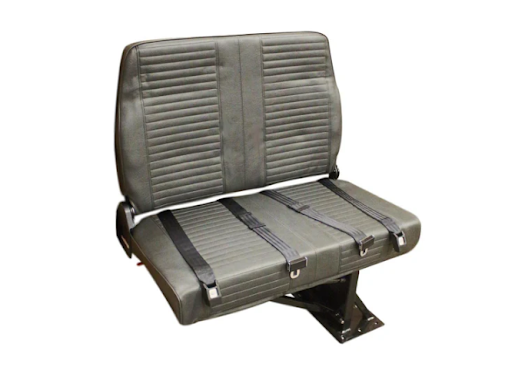
Embarking on a long-distance bus journey can be an exercise in endurance or a scenic adventure, and the difference often comes down to a few square inches of upholstery. Whether you are crossing state lines or traversing an entire continent, the bus seats you select serves as your base of operations for several hours. While many travelers simply accept whatever spot is assigned to them, seasoned road warriors know that certain areas of a bus offer significant advantages in terms of stability, legroom, and personal space. Understanding the geometry of a standard motorcoach can transform your next trip from a cramped ordeal into a restful transit.
Prioritizing Stability and Smoothness
For those who are prone to motion sickness or simply prefer a steadier ride, the middle of the bus is almost always the superior choice. This area is situated between the front and rear axles, which acts as the center of gravity for the vehicle. When the bus encounters speed bumps, potholes, or uneven highway expansion joints, the passengers sitting directly over the wheels feel the impact most acutely. By positioning yourself in the center, you minimize the vertical “bounce” and the lateral swaying that occurs during sharp turns.
If you find that the constant vibration of the engine keeps you awake, you should aim for the front half of the vehicle. Most modern long-distance buses have their engines located in the rear. Sitting near the back means dealing with more mechanical noise and a subtle but constant heat that can radiate through the floor and seat back. Moving forward allows for a quieter environment, making it much easier to enjoy a podcast or drift off into a deeper sleep.
The Battle for Legroom and Recline
Legroom is the most valuable commodity on a long journey, and it is not distributed equally. The front row, often referred to as the bulkhead, can be a polarizing choice. On one hand, you have no one reclining into your lap, and the view through the massive windshield is unparalleled. On the other hand, these seats often lack a place to tuck your feet under a seat in front of you, which can actually feel more restrictive for taller passengers.
Another often overlooked area for extra space is the row situated near the emergency exit. Much like on an airplane, these rows are sometimes spaced slightly further apart to allow for a clear evacuation path. However, be aware that some emergency exit seats have limited recline to ensure they do not obstruct the exit behind them. Always check the specific layout of the bus model when booking, as having that extra few inches to stretch your calves can prevent the stiffness and swelling that often accompany prolonged sitting.
Proximity to Onboard Amenities
The location of the onboard restroom is a critical factor in seat selection. For convenience, sitting nearby seems logical, but it comes with a high price in terms of foot traffic and potential odors. The rear of the bus is a high-traffic zone where passengers are constantly moving in and out, which can be highly disruptive if you are trying to rest. Choosing a seat at least three to four rows away from the lavatory provides enough distance to avoid the noise of the door and the congregation of waiting passengers while still remaining close enough for a quick trip when needed.
Conclusion
Selecting the right seat is a strategic decision that sets the tone for your entire travel experience. By considering the mechanical stability of the center rows, the quietness of the front, and the specific legroom configurations of exit rows, you can tailor the journey to your personal comfort needs. A long bus ride does not have to be a test of physical patience; with a bit of foresight and an understanding of the vehicle’s layout, you can ensure that you arrive at your destination feeling refreshed and ready to explore.
