
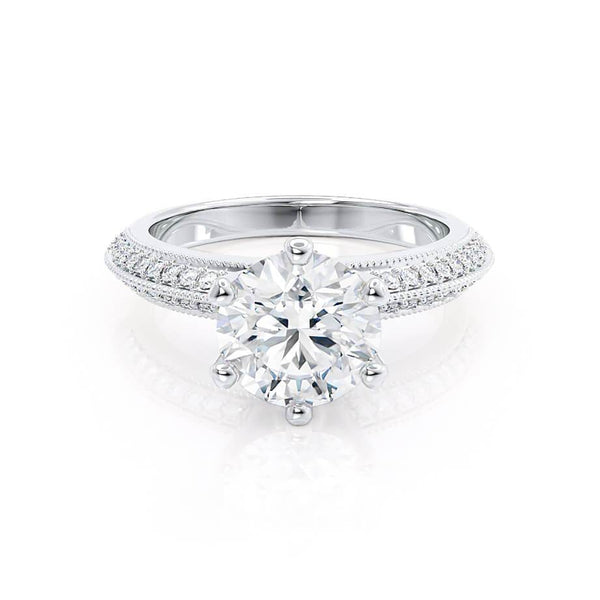
Trend cycles move in rhythms that often surprise even the most attentive observers. In the modern era of fast fashion, digital influence and constant reinvention, it might seem as if aesthetics appear and disappear before anyone can truly understand them. Yet the pendulum of style consistently swings back toward the past, bringing back silhouettes, materials and design philosophies that once felt lost. In this resurgence, brands like lily arkwright and many others benefit from a renewed appreciation for craftsmanship and timeless appeal. The return of classic aesthetics is not accidental but part of a broader cultural and creative pattern that reflects how people respond to change.
The revival of forgotten styles usually begins with subtle hints. A particular color palette might resurface on social media, or a familiar pattern reappears in runway shows. These small signals gather momentum until they form a recognizable trend. What makes these revivals so compelling is their ability to blend nostalgia with modern expression. People are drawn to designs that remind them of a simpler or more romanticized era, yet they appreciate updated materials and techniques that offer improved comfort, sustainability and durability. This combination ensures that while the roots of the trend are historic, the execution feels contemporary and relevant.
Another driving force behind the return of classic aesthetics is the increasing desire for authenticity. As consumers grow weary of mass-produced items lacking individuality, they seek out pieces that tell a story. Classic styles often come with built-in narrative value. Tailored garments, traditional jewelry settings, antique prints and handcrafted textures all carry emotional resonance. When these elements are reintroduced through modern trend cycles, they offer familiarity without feeling outdated. People appreciate the character and identity these aesthetics provide, especially at a time when personal style often feels diluted by fast-moving algorithms and homogenous design.
Social and economic shifts also play an important role. During periods of uncertainty, consumers gravitate toward stability. Classic aesthetics symbolize durability and reassurance because they have endured changing tastes across decades. The cyclical nature of fashion and design allows older styles to feel fresh again, not only because they contrast current trends but because they evoke cultural continuity. This cyclical pattern suggests that no aesthetic is permanently forgotten; it simply waits for the right context to flourish once more.
Designers contribute to this revival by reinterpreting historical elements with new materials and technologies. Modern fabric innovations, digital craftsmanship tools and sustainable production methods breathe new life into heritage designs. Through this approach, traditional forms remain visually recognizable but gain practical enhancements that appeal to today’s preferences. This balance between preservation and progress is essential to maintaining the integrity of classic aesthetics while making them accessible for contemporary use.
Ultimately, trend cycles do more than bring back old styles. They reframe the relationship between past and present. Each revival offers an opportunity to appreciate cultural heritage while embracing new creative directions. Classic aesthetics return not as relics but as renewed sources of inspiration, showing that the beauty of the past continues to have a place in modern expression.
